Extramarital Affairs: Understanding the Causes, Psychological Factors, Family Impact, Prevention, and Holistic Support
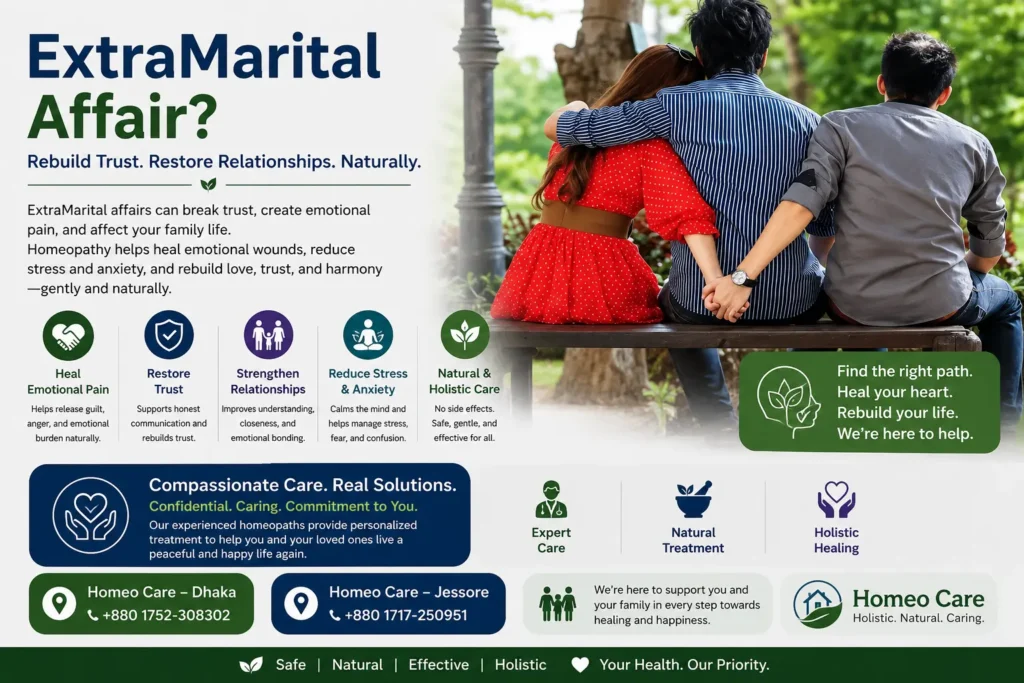
Relationships are built on trust, commitment, mutual respect, and emotional connection. When these foundations become weak, relationships may face serious challenges. One of the most painful challenges is an extramarital affair.
Across many societies, extramarital affairs are becoming an increasingly discussed issue because of their emotional, social, and family consequences. Marital conflict, separation, anxiety, depression, domestic violence, childhood emotional distress, and financial instability are only some of the problems that may arise when trust within a relationship is broken.
Although many people consider extramarital affairs to be purely moral or religious issues, modern psychology suggests that relationship difficulties are often far more complex. Emotional neglect, chronic stress, communication problems, unresolved trauma, impulsive decision-making, dissatisfaction within a relationship, and certain mental health conditions may all contribute in some cases.
It is important to understand that an extramarital affair itself is not recognized as a mental disorder in current psychiatric diagnostic systems. However, the emotional distress and psychological difficulties surrounding such behaviors may benefit from professional assessment and appropriate support.
Unfortunately, many people avoid seeking help because they fear social stigma, shame, or judgment. As a result, relationship problems often become more severe before professional support is considered.
At Homeo Care, we believe that every individual deserves compassionate, confidential, and respectful care. Our approach emphasizes understanding the whole person rather than labeling or judging them. Depending on each individual’s needs, supportive care may include psychological counselling, lifestyle guidance, family support, spiritual encouragement, and individualized homeopathic consultation for associated emotional symptoms where appropriate.
The primary goal is not simply to discuss an affair itself, but to help individuals improve emotional well-being, strengthen relationships, make healthier decisions, and restore family harmony whenever possible.
This comprehensive guide explores current knowledge about extramarital affairs, including their possible causes, psychological influences, health consequences, preventive strategies, counselling approaches, and the role of holistic supportive care.
Whether you are experiencing relationship difficulties yourself, supporting a loved one, or simply seeking reliable information, this guide aims to provide balanced, evidence-informed, and compassionate insights.
What Is an Extramarital Affair? Understanding the Psychology Behind Relationship Infidelity
What Is an Extramarital Affair?
An extramarital affair refers to an emotional, romantic, or sexual relationship outside a committed marriage or long-term partnership without the knowledge or consent of one’s partner. While different cultures and religions define infidelity in different ways, the common element is a breach of trust and commitment.
Not every affair begins as a physical relationship. Many start with emotional closeness, secrecy, frequent private communication, or online interactions that gradually develop into a deeper attachment. With the widespread use of smartphones and social media, opportunities for secret relationships have become more accessible, making this issue increasingly relevant in today’s digital world.
It is important to recognize that having an extramarital affair is not classified as a mental illness by modern psychiatric diagnostic systems. However, some people who repeatedly engage in harmful relationship patterns may also experience underlying emotional, psychological, or interpersonal difficulties that deserve careful professional assessment.
Different Types of Extramarital Affairs
Understanding the different forms of infidelity can help individuals recognize unhealthy relationship patterns before they become deeply damaging.
1. Emotional Affairs
An emotional affair develops when a person forms an intimate emotional connection with someone outside the marriage while gradually withdrawing emotional closeness from their spouse.
Common features include:
- Sharing personal secrets with another person
- Seeking emotional comfort outside the marriage
- Hiding conversations from a partner
- Feeling emotionally closer to someone else than to one’s spouse
Although physical intimacy may not occur, emotional affairs can seriously damage trust within a relationship.
2. Physical Affairs
A physical affair involves sexual intimacy outside a committed relationship. These relationships often create profound emotional pain, conflict, and loss of trust within families.
They may also increase the risk of sexually transmitted infections (STIs) if appropriate precautions are not taken.
3. Online or Digital Affairs
Technology has changed the way relationships develop.
Online affairs may involve:
- Secret messaging
- Video calls
- Social media relationships
- Dating applications
- Romantic conversations through digital platforms
Some individuals believe online relationships are harmless, but emotional investment and secrecy may still significantly affect marriages.
4. Repeated Relationship Patterns
Some individuals repeatedly enter unhealthy or secret relationships despite experiencing negative consequences. In these situations, it is important to explore possible contributing factors such as chronic stress, unresolved emotional conflicts, impulsive behavior, personality traits, or other psychological concerns rather than making assumptions or judgments.
Is Extramarital Behaviour Always Caused by Mental Illness?
No.
Most people involved in extramarital affairs do not have a psychiatric disorder.
Human relationships are complex. Decisions are often influenced by multiple biological, psychological, social, cultural, spiritual, and environmental factors working together.
For some individuals, relationship dissatisfaction may be the primary issue. Others may struggle with poor communication, loneliness, emotional neglect, unrealistic expectations, impulsivity, or unresolved personal conflicts.
Because every individual is unique, careful assessment is essential before recommending any form of treatment or counselling.
Common Misconceptions About Extramarital Affairs
Myth 1: “Only unhappy couples experience affairs.”
Reality: Some people report satisfaction within their marriage yet still become involved in affairs for complex emotional, psychological, or situational reasons.
Myth 2: “An affair always means the marriage is over.”
Reality: While some relationships end after infidelity, many couples successfully rebuild trust through honest communication, counselling, mutual commitment, and long-term effort.
Myth 3: “People who have affairs never change.”
Reality: Many individuals sincerely regret their decisions and successfully rebuild healthier relationships when they receive appropriate emotional support, counselling, and demonstrate genuine commitment to change.
Myth 4: “Talking about relationship problems is shameful.”
Reality: Seeking professional help early may prevent more serious emotional and family difficulties. Asking for help is a responsible step—not a sign of weakness.
Why Compassion Matters More Than Judgment
People experiencing relationship crises often struggle with guilt, shame, anxiety, fear, and emotional confusion. Harsh criticism or public humiliation rarely leads to meaningful change.
A compassionate, confidential, and professional environment allows individuals and couples to discuss sensitive issues honestly, understand the underlying causes of their difficulties, and work toward healthier decisions and stronger relationships.
The goal of professional support is not to justify infidelity but to help individuals improve emotional well-being, strengthen family relationships whenever possible, and reduce future harm.
Why Do Extramarital Affairs Happen? A Research-Informed Understanding of the Causes and Risk Factors
There Is No Single Cause
One of the biggest misconceptions about extramarital affairs is the belief that they occur for only one reason. In reality, research suggests that infidelity is usually the result of multiple interacting factors rather than a single event or personality trait.
Emotional needs, relationship dynamics, life stressors, personality characteristics, opportunities, cultural influences, and individual coping styles may all contribute. Understanding these factors is important because identifying the underlying issues can help individuals and couples seek appropriate support before serious damage occurs.
1. Emotional Disconnection Between Partners
Emotional intimacy is one of the strongest protective factors in a healthy marriage. When partners gradually stop communicating, sharing feelings, or supporting each other, loneliness may develop—even while living under the same roof.
Common signs of emotional disconnection include:
- Feeling unheard or misunderstood
- Lack of appreciation
- Frequent unresolved arguments
- Emotional neglect
- Spending very little quality time together
- Growing emotional distance over months or years
Without healthy communication, some individuals may begin seeking emotional comfort elsewhere.
2. Poor Communication
Many relationship problems begin not because couples stop loving each other, but because they stop communicating effectively.
Communication difficulties may include:
- Avoiding difficult conversations
- Constant criticism
- Defensiveness
- Lack of active listening
- Frequent misunderstandings
- Unresolved conflicts
Healthy communication helps couples solve problems before they become relationship crises.
3. Unmet Emotional or Physical Needs
Every individual has emotional needs, such as:
- Love
- Respect
- Appreciation
- Affection
- Security
- Trust
- Companionship
When these needs remain unmet for long periods, dissatisfaction may increase. This does not justify infidelity, but it may contribute to vulnerability in some individuals.
4. Chronic Stress and Life Pressures
Modern life places enormous pressure on families.
Common stressors include:
- Financial hardship
- Career demands
- Business pressure
- Parenting responsibilities
- Caring for elderly family members
- Chronic illness
- Long-distance marriages
When stress becomes overwhelming, emotional connection within the marriage may weaken if healthy coping strategies are not developed.
5. Digital Technology and Social Media
The digital age has changed how relationships begin and develop.
Social media platforms, instant messaging, dating applications, and online communities allow people to reconnect with former partners or develop new relationships in ways that were far less common in previous generations.
Risk may increase when individuals:
- Hide online conversations
- Develop emotional dependence on someone outside the marriage
- Spend excessive private time communicating online
- Keep digital relationships secret from their spouse
Healthy digital boundaries are increasingly important for maintaining trust.
6. Opportunity Without Healthy Boundaries
Research suggests that opportunity alone does not cause infidelity. However, when opportunity combines with poor boundaries, emotional dissatisfaction, or impulsive decision-making, the risk may increase.
Examples include:
- Frequent unsupervised travel
- Workplace intimacy
- Secret friendships
- Emotional dependence on colleagues
- Repeated private meetings without transparency
Maintaining appropriate personal boundaries helps protect committed relationships.
7. Personality Traits and Individual Differences
People have different personalities, coping styles, and emotional needs.
Certain traits—such as high impulsivity, sensation-seeking, difficulty delaying gratification, or poor emotional regulation—may increase vulnerability to risky behaviors in some individuals. However, these traits alone do not determine whether someone will engage in an affair.
Understanding personality patterns can help tailor counselling and behavior-change strategies.
8. Psychological and Mental Health Factors
While an extramarital affair is not a mental illness, some individuals involved in repeated unhealthy relationship patterns may also experience conditions such as:
- Anxiety disorders
- Depression
- Chronic stress
- Low self-esteem
- Emotional dependency
- Compulsive behaviors
- Trauma-related difficulties
- Certain personality disorders
In such cases, addressing the underlying psychological condition may improve overall emotional well-being and relationship functioning.
9. Childhood Experiences and Attachment Patterns
Early life experiences can influence how adults form and maintain close relationships.
Individuals who experienced neglect, inconsistent caregiving, emotional insecurity, or traumatic childhood experiences may develop attachment patterns that affect trust, intimacy, or emotional regulation later in life.
These patterns do not make infidelity inevitable, but understanding them can be valuable during counselling.
10. Lack of Shared Values and Commitment
Strong relationships are often supported by shared values, mutual respect, honesty, and commitment.
When couples gradually lose their shared goals or stop investing in the relationship, emotional distance may grow. Strengthening family values, ethical responsibility, and mutual accountability can help reduce this risk.
For many individuals, spiritual or religious practices also provide guidance, self-discipline, forgiveness, and resilience during difficult times.
Can These Risk Factors Be Changed?
In many cases, yes.
With honest self-reflection, open communication, professional counselling, healthy lifestyle changes, and family support, many individuals and couples can improve their relationships and reduce the risk of destructive behaviors.
Early intervention is often more effective than waiting until trust has been severely damaged.
Homeo Care’s Holistic Perspective
At Homeo Care, we recognize that relationship difficulties are often connected to emotional distress rather than a single cause. Our approach focuses on understanding the individual as a whole.
Depending on each person’s needs, supportive care may include:
- Comprehensive individual assessment
- Emotional health evaluation
- Lifestyle guidance
- Stress management strategies
- Counselling support or referral when appropriate
- Individualized homeopathic consultation for associated emotional or psychological symptoms
- Encouragement of healthy family communication and positive spiritual values
Every treatment plan should be personalized, respectful, and based on the individual’s overall health and circumstances.
Psychological Factors Behind Extramarital Affairs – Understanding the Human Mind
The Psychology of Infidelity: Looking Beyond the Behaviour
When people hear about an extramarital affair, they often focus only on the behavior. However, psychologists and relationship experts emphasize that understanding why the behavior occurred is equally important.
An affair is usually the visible outcome of deeper emotional, relational, or psychological struggles. Every individual has a unique life story, personality, coping style, and relationship history. Therefore, no single explanation applies to everyone.
Rather than asking, “What is wrong with this person?”, a more helpful question is, “What factors may have contributed to this behavior?”
Emotional Vulnerability
Periods of emotional vulnerability may increase the likelihood of making unhealthy decisions.
These situations may include:
- Persistent loneliness
- Feeling emotionally neglected
- Grief after losing a loved one
- Burnout from work or caregiving
- Financial stress
- Marital conflict
- Major life transitions
Not everyone facing these challenges will become involved in an affair, but emotional vulnerability can reduce healthy judgment if appropriate support is lacking.
Stress, Anxiety, and Emotional Coping
Chronic stress affects both physical and emotional health.
Some people respond to stress by:
- Withdrawing from loved ones
- Becoming irritable
- Seeking emotional comfort elsewhere
- Making impulsive decisions
- Avoiding difficult conversations
Learning healthier coping strategies through counselling, stress management, and supportive relationships can improve emotional resilience.
Low Self-Esteem and the Need for Validation
Some individuals struggle with feelings of inadequacy or low self-worth.
Receiving attention or admiration from another person may temporarily improve self-confidence, creating an emotional dependence that can gradually develop into an unhealthy relationship.
Long-term emotional well-being requires developing healthy self-esteem rather than relying on external validation.
Impulsivity and Difficulty Regulating Emotions
Some people naturally have greater difficulty controlling impulses or managing intense emotions.
Impulsive behavior may affect many areas of life, including:
- Spending habits
- Anger management
- Risk-taking
- Substance use
- Relationship decisions
Improving emotional regulation is often an important goal during psychological counselling.
Childhood Experiences and Attachment Styles
Research in attachment psychology suggests that early childhood relationships may influence adult relationship patterns.
For example:
- Secure attachment often supports trust and emotional intimacy.
- Anxious attachment may lead to fear of abandonment and excessive reassurance-seeking.
- Avoidant attachment may make emotional closeness more difficult for some individuals.
Attachment styles are not excuses for harmful behavior, but understanding them may help guide therapeutic interventions.
Personality Factors
Personality influences how people think, feel, and behave.
Some personality characteristics may increase vulnerability to relationship difficulties, including:
- High sensation-seeking
- Poor frustration tolerance
- Difficulty accepting responsibility
- Excessive need for admiration
- Emotional instability
However, personality traits exist on a spectrum and do not determine a person’s moral character or future choices.
When Mental Health Conditions May Be Relevant
Although extramarital affairs are not recognized as psychiatric disorders, mental health conditions can sometimes contribute to impaired judgment or relationship problems.
Examples include:
- Anxiety disorders
- Depressive disorders
- Bipolar disorder (particularly during manic or hypomanic episodes)
- Substance use disorders
- Certain personality disorders
If a mental health condition is suspected, assessment by a qualified mental health professional is essential. Appropriate treatment of the underlying condition may improve emotional functioning and relationship stability.
The Role of Shame and Stigma
Many people experiencing relationship crises avoid seeking professional help because they fear being judged by family, friends, or society.
Unfortunately, delaying support often allows problems to become more severe.
A confidential, respectful, and non-judgmental environment encourages honest conversations, making it easier to identify underlying issues and work toward meaningful change.
Seeking help should be viewed as an act of responsibility—not as a sign of weakness or failure.
A Holistic Support Approach
Because relationship difficulties often involve emotional, psychological, social, and spiritual dimensions, support is most effective when it is individualized.
Depending on the person’s needs, a comprehensive care plan may include:
- Psychological assessment
- Individual counselling
- Couple or marital counselling
- Stress-management techniques
- Lifestyle improvement
- Family support
- Spiritual or religious guidance, when appropriate
- Individualized medical care for associated emotional or psychological symptoms
At Homeo Care, our focus is to understand the individual as a whole person. Where appropriate, individualized homeopathic consultation may be offered as a supportive approach for patients experiencing associated emotional symptoms such as anxiety, stress, sleep disturbance, or irritability. It should complement—not replace—evidence-based mental health care when that is indicated.
Key Message
Understanding the psychological factors behind extramarital affairs does not excuse or justify the behavior. Instead, it helps individuals, couples, and healthcare professionals identify opportunities for prevention, healing, healthier decision-making, and stronger relationships.
By addressing emotional distress early, many families can rebuild trust, improve communication, and move toward a healthier future.
The Impact of Extramarital Affairs on Individuals, Children, Families, and Society
The Consequences Extend Far Beyond Two People
An extramarital affair is often viewed as a private matter between two adults. In reality, its effects can spread far beyond the individuals directly involved. Marriages, children, extended families, workplaces, and even communities may experience emotional, social, and financial consequences.
The severity of these consequences varies from family to family. Some relationships recover through honest communication and professional support, while others face long-term emotional wounds. Understanding these possible impacts can encourage early intervention and healthier relationship choices.
Impact on the Individual
For the person involved in an affair, the emotional burden can become overwhelming.
Many individuals experience:
- Persistent guilt and shame
- Anxiety and emotional distress
- Fear of being discovered
- Difficulty concentrating
- Sleep disturbances
- Loss of self-confidence
- Depression in some cases
- Increased stress affecting physical health
Living a double life often creates continuous psychological pressure. Over time, this emotional strain may negatively affect work performance, decision-making, and overall quality of life.
Impact on the Faithful Partner
For the betrayed spouse, discovering an affair can be one of the most emotionally painful experiences in life.
Common reactions include:
- Shock and disbelief
- Intense sadness
- Anger and resentment
- Loss of trust
- Anxiety and panic symptoms
- Depression
- Reduced self-esteem
- Difficulty sleeping
- Emotional trauma
Some people describe the experience as similar to grieving the loss of an important relationship. Recovery often requires time, patience, and appropriate emotional support.
Impact on Children
Children are often the silent victims of family conflict.
When parents experience serious relationship problems, children may develop:
- Emotional insecurity
- Anxiety
- Sadness
- Behavioral difficulties
- Declining academic performance
- Social withdrawal
- Aggressive behavior
- Sleep disturbances
- Reduced confidence
The effects depend on many factors, including the child’s age, family environment, and the way parents handle conflict.
Parents should remember that protecting children’s emotional well-being is just as important as resolving marital disagreements.
Impact on Marriage and Family Stability
Trust is the foundation of every healthy relationship.
When trust is broken, couples may experience:
- Frequent arguments
- Emotional distance
- Reduced intimacy
- Communication breakdown
- Separation
- Divorce
- Financial disputes
- Parenting conflicts
Although rebuilding trust is difficult, many couples successfully strengthen their relationship through honesty, commitment, forgiveness, and professional counselling.
Social Consequences
Strong families contribute to healthy communities.
When family relationships become unstable, society may experience broader challenges such as:
- Increased family breakdown
- Greater emotional stress within communities
- Reduced social trust
- Domestic conflict
- Financial hardship for affected families
- Increased demand for mental health and family support services
Supporting healthy relationships is therefore not only beneficial for individuals but also for society as a whole.
Spiritual and Ethical Dimensions
Many cultures and religious traditions emphasize values such as:
- Honesty
- Fidelity
- Respect
- Responsibility
- Compassion
- Forgiveness
- Self-discipline
For many individuals, strengthening spiritual practices and ethical values provides emotional guidance during times of temptation, conflict, or personal crisis. Spiritual support can complement psychological care, particularly when it aligns with the person’s own beliefs and values.
Physical Health Considerations
Relationship stress does not only affect emotional well-being—it can also influence physical health.
Chronic stress may contribute to:
- Elevated blood pressure
- Poor sleep quality
- Fatigue
- Reduced immunity
- Headaches
- Digestive complaints
In addition, unprotected sexual relationships outside a committed partnership may increase the risk of sexually transmitted infections (STIs). Appropriate medical evaluation is important whenever there is potential exposure.
Can Families Recover?
Yes.
Although rebuilding trust takes time, many couples and families recover from relationship crises through:
- Honest communication
- Acceptance of responsibility
- Professional counselling
- Mutual commitment
- Emotional healing
- Patience and consistency
- Family support
- Spiritual growth, where appropriate
Recovery is often a gradual process rather than a single event. Early intervention usually offers the best chance for restoring healthy relationships.
Homeo Care’s Commitment
At Homeo Care, we understand that relationship difficulties often affect the emotional health of the entire family.
Our patient-centered approach emphasizes:
- Respectful and confidential consultations
- Understanding emotional and psychological concerns
- Individualized assessment
- Supportive counselling guidance or referral when appropriate
- Lifestyle recommendations
- Individualized homeopathic consultation for associated emotional symptoms, where suitable
- Encouragement of healthy family communication and emotional well-being
Our goal is to support individuals and families in improving emotional resilience and overall quality of life, while working collaboratively with other healthcare professionals whenever needed.
Key Takeaway
Extramarital affairs can have profound emotional, relational, social, and physical consequences. However, they do not always mean the end of a marriage or family.
With early recognition, compassionate support, professional counselling, and a commitment to positive change, many individuals and families can rebuild trust, strengthen relationships, and move forward with hope.
Warning Signs, Risk Factors, Prevention Strategies, and When to Seek Professional Help
Early Recognition Can Protect Relationships
Most extramarital affairs do not begin suddenly. In many cases, they develop gradually through a series of emotional, behavioral, and communication changes that remain unnoticed or are ignored.
Recognizing these early warning signs does not mean that an affair is definitely occurring. However, they may indicate that a relationship needs honest communication, emotional support, or professional guidance before problems become more serious.
Early intervention is always better than crisis management.
Early Warning Signs of Relationship Distress
Healthy marriages naturally experience disagreements. However, persistent changes in communication or emotional closeness deserve attention.
Possible warning signs include:
- Emotional distance between partners
- Spending less quality time together
- Frequent unresolved arguments
- Loss of trust
- Keeping unnecessary secrets
- Lack of interest in family activities
- Increased irritability
- Declining emotional or physical intimacy
- Avoiding meaningful conversations
- Feeling lonely despite living together
These signs should encourage constructive discussion rather than accusations.
Behavioural Changes That May Require Attention
Sometimes noticeable behavioral changes may indicate emotional struggles or relationship problems.
Examples include:
- Sudden secrecy regarding mobile phones or social media
- Unexpected changes in daily routines
- Increased emotional attachment to someone outside the marriage
- Unexplained financial spending
- Frequent unexplained absences
- Reduced openness with a spouse
- Defensive reactions to simple questions
- Loss of interest in family responsibilities
These behaviors are not proof of infidelity, but they may signal that the relationship requires honest communication and professional support if concerns persist.
Individual Risk Factors
Certain circumstances may increase vulnerability to unhealthy relationship patterns.
Examples include:
- Chronic marital dissatisfaction
- Poor communication
- Long-term emotional neglect
- High occupational stress
- Untreated anxiety or depression
- Substance misuse
- Poor impulse control
- Low self-esteem
- Social isolation
- Lack of healthy coping skills
Risk factors increase vulnerability but do not determine a person’s choices.
Protective Factors That Strengthen Healthy Relationships
Fortunately, many protective factors help reduce relationship difficulties.
Healthy couples often practice:
- Honest communication
- Mutual respect
- Emotional availability
- Shared decision-making
- Transparency
- Appreciation and gratitude
- Healthy conflict resolution
- Quality family time
- Strong personal boundaries
- Shared spiritual or ethical values, where meaningful to the couple
Healthy relationships require continuous effort rather than perfection.
Practical Strategies to Prevent Relationship Breakdown
Relationship experts commonly recommend the following:
Prioritize Communication
Speak openly about concerns before resentment builds.
Listen actively without interrupting or blaming.
Invest Time in the Relationship
Regular quality time helps strengthen emotional connection.
Small daily moments often matter more than expensive gifts.
Address Problems Early
Ignoring relationship problems rarely makes them disappear.
Professional guidance is often most effective before trust has been severely damaged.
Maintain Healthy Digital Boundaries
Technology should strengthen relationships rather than weaken them.
Consider discussing:
- Privacy expectations
- Appropriate online friendships
- Social media boundaries
- Time spent on digital devices
Transparency builds trust.
Manage Stress Effectively
Healthy stress-management techniques include:
- Regular physical activity
- Adequate sleep
- Balanced nutrition
- Relaxation practices
- Time with family
- Spiritual practices, if personally meaningful
Managing stress supports better emotional decision-making.
Seek Help Without Shame
Many people delay seeking professional help because they fear judgment.
Relationship counselling is not only for marriages in crisis—it can also help couples strengthen communication, improve conflict resolution, and develop healthier patterns before serious problems occur.
Seeking support demonstrates commitment to improving the relationship.
When Should Professional Help Be Considered?
Professional assessment may be appropriate if individuals or couples experience:
- Persistent relationship conflict
- Loss of trust
- Emotional withdrawal
- Repeated communication failures
- Anxiety or depression related to relationship stress
- Difficulty controlling impulsive behaviors
- Significant emotional distress affecting daily life
- Concerns about preserving the relationship but uncertainty about how to move forward
A comprehensive assessment helps identify the factors contributing to the difficulties and guides appropriate support.
Homeo Care’s Supportive Approach
At Homeo Care, we recognize that relationship challenges often involve emotional, psychological, family, and lifestyle factors.
Our consultations emphasize:
- Respect
- Confidentiality
- Individualized assessment
- Understanding emotional concerns
- Lifestyle guidance
- Referral for psychological or marital counselling when indicated
- Individualized homeopathic consultation for associated emotional symptoms such as stress, anxiety, sleep disturbance, or irritability, where appropriate
Our aim is to support emotional well-being and healthy family relationships through compassionate, patient-centered care.
Prevention Is Better Than Repair
Healthy relationships are built one conversation, one act of kindness, and one honest decision at a time.
Recognizing early warning signs, maintaining open communication, respecting personal boundaries, and seeking professional guidance when needed can help many couples prevent serious relationship crises.
Every family deserves the opportunity to strengthen trust, improve emotional well-being, and build a healthier future together.
Evidence-Based Counselling, Psychological Management, and the Role of Holistic Support
Healing Begins with Understanding, Not Judgment
When a relationship is affected by infidelity or serious emotional conflict, many people believe that nothing can be done. In reality, research shows that many couples can improve their relationship when both partners are willing to participate in an honest, respectful, and structured recovery process.
Healing is rarely immediate. Rebuilding trust takes time, consistency, accountability, and, in many cases, professional guidance. The goal of treatment is not simply to save a marriage at any cost, but to improve emotional well-being, support healthy decision-making, and help individuals and couples move forward in the healthiest way possible.
Step 1: A Comprehensive Assessment
Every individual and every relationship is unique.
Before recommending any treatment, healthcare professionals should carefully evaluate:
- The individual’s emotional and psychological health
- The couple’s relationship history
- Communication patterns
- Sources of conflict
- Current stressors
- Family dynamics
- Personal goals and expectations
A thorough assessment helps ensure that support is tailored to the specific needs of the individual or couple rather than based on assumptions.
Step 2: Individual Psychological Counselling
Individual counselling provides a confidential space where a person can explore thoughts, emotions, and behaviors without fear of judgment.
Counselling may help individuals:
- Understand emotional triggers
- Improve self-awareness
- Strengthen emotional regulation
- Develop healthier coping strategies
- Manage anxiety, stress, or depression
- Build self-esteem
- Take responsibility for personal choices
- Make thoughtful decisions about the future
The focus is on growth, accountability, and healthier patterns of behavior.
Step 3: Couple and Marital Counselling
When both partners are willing, couple therapy can be an important step toward rebuilding the relationship.
Common goals include:
- Restoring honest communication
- Addressing unresolved conflicts
- Rebuilding trust over time
- Improving emotional intimacy
- Learning healthy problem-solving skills
- Establishing realistic expectations
- Strengthening mutual respect
Not every couple will choose to remain together, but counselling can still help them communicate more constructively and make informed decisions.
Step 4: Managing Emotional Distress
Relationship crises often trigger intense emotional reactions.
Supportive care may focus on helping individuals manage:
- Anxiety
- Persistent stress
- Sleep difficulties
- Feelings of guilt or shame
- Anger
- Emotional instability
Stress-management techniques, relaxation strategies, healthy routines, and evidence-based psychological therapies can all contribute to recovery.
When a diagnosable mental health condition is present, appropriate treatment by qualified mental health professionals is essential.
Step 5: Family Support
Relationship problems rarely affect only the couple.
Children, parents, and other family members may also experience emotional distress.
Healthy family support includes:
- Respectful communication
- Protecting children from adult conflicts
- Maintaining stable parenting
- Encouraging forgiveness where appropriate
- Respecting personal boundaries
- Creating a safe emotional environment
Families often heal more effectively when everyone works toward reducing conflict and improving communication.
Step 6: The Importance of Spiritual and Ethical Values
For many individuals, spiritual beliefs and religious practices provide strength during times of emotional crisis.
Depending on the person’s own beliefs, spiritual support may encourage:
- Personal responsibility
- Honesty
- Forgiveness
- Self-discipline
- Compassion
- Hope
- Commitment to family
Spiritual guidance should complement—not replace—appropriate psychological or medical care.
Step 7: The Role of Individualized Homeopathic Care
At Homeo Care, we believe that every patient deserves individualized attention and compassionate care.
Some people experiencing relationship difficulties also report symptoms such as:
- Emotional stress
- Anxiety
- Irritability
- Sleep disturbance
- Mental fatigue
- Reduced concentration
- Emotional exhaustion
For these associated symptoms, an individualized homeopathic consultation may be considered as part of a broader, holistic care plan.
The choice of any homeopathic medicine is based on the patient’s complete physical, emotional, and psychological profile—not solely on relationship concerns.
Current scientific evidence does not demonstrate that homeopathy specifically treats or cures extramarital affairs. Homeopathic care should therefore be viewed as supportive and individualized, and should not replace evidence-based mental health care when that is needed.
Why Early Professional Support Matters
Many people wait until their relationship reaches a crisis before seeking help.
However, early intervention may help:
- Reduce emotional suffering
- Improve communication
- Prevent misunderstandings from escalating
- Address mental health concerns promptly
- Strengthen coping skills
- Protect family relationships
- Improve overall quality of life
Seeking help early is often one of the most responsible decisions a person or couple can make.
Homeo Care’s Commitment to Compassionate Care
At Homeo Care, consultations are conducted with respect for patient privacy, dignity, and confidentiality.
Our approach emphasizes:
- Careful listening
- Individualized assessment
- Emotional support
- Lifestyle guidance
- Collaboration with counselling or mental health services when appropriate
- Holistic, patient-centered care
We recognize that every person’s journey is different, and our goal is to support healthier emotional well-being and stronger family relationships through compassionate, ethical, and individualized care.
Frequently Asked Questions (FAQs) About Extramarital Affairs, Relationship Counselling, and Holistic Support
Frequently Asked Questions (SEO & AI Optimized)
The following questions reflect common concerns raised by individuals and families seeking reliable information about extramarital affairs, relationship difficulties, emotional health, and available support.
FAQ 1: What is an extramarital affair?
An extramarital affair is an emotional, romantic, or sexual relationship outside a committed marriage or long-term partnership without the partner’s knowledge or consent. It commonly involves secrecy and a breach of trust, which may significantly affect the relationship.
FAQ 2: Is having an extramarital affair considered a mental illness?
No. An extramarital affair is not recognized as a mental illness by current psychiatric diagnostic systems. However, some individuals involved in unhealthy relationship patterns may also experience emotional distress or mental health conditions that deserve professional assessment and appropriate care.
FAQ 3: Why do people become involved in extramarital affairs?
There is no single cause. Possible contributing factors include relationship dissatisfaction, emotional disconnection, poor communication, chronic stress, loneliness, impulsive behavior, unresolved personal conflicts, and, in some cases, underlying mental health conditions.
FAQ 4: Can a marriage recover after an affair?
Yes. Many couples rebuild trust and strengthen their relationship through honesty, accountability, professional counselling, patience, and mutual commitment. Recovery depends on the willingness of both partners to work toward healing.
FAQ 5: What are the early warning signs of relationship problems?
Possible warning signs include emotional distance, frequent unresolved arguments, lack of communication, secrecy, reduced intimacy, declining trust, increased irritability, and spending less meaningful time together. These signs do not necessarily indicate infidelity but suggest that the relationship may benefit from attention and open discussion.
FAQ 6: When should someone seek professional help?
Professional support may be helpful when relationship conflict becomes persistent, trust has broken down, emotional distress affects daily life, or individuals experience significant anxiety, depression, sleep problems, or difficulty coping with relationship challenges.
FAQ 7: What role does counselling play?
Relationship counselling helps individuals and couples improve communication, understand emotional needs, resolve conflicts, develop healthier coping strategies, and make informed decisions about their future. It provides a confidential and supportive environment for addressing sensitive issues.
FAQ 8: Can stress contribute to relationship difficulties?
Yes. Chronic stress may reduce emotional availability, increase irritability, impair communication, and make healthy decision-making more difficult. Managing stress effectively is an important part of maintaining healthy relationships.
FAQ 9: Can homeopathy help people experiencing emotional stress related to relationship problems?
Some people seek individualized homeopathic care for associated emotional symptoms such as stress, anxiety, irritability, or sleep disturbance. Homeopathic treatment is individualized according to the person’s overall health profile.
However, current scientific evidence does not demonstrate that homeopathy specifically treats or cures extramarital affairs. Individuals with significant mental health concerns should receive appropriate evidence-based assessment and treatment.
FAQ 10: Is seeking help a sign of weakness?
No. Seeking professional support demonstrates responsibility and a willingness to improve emotional well-being and relationship health. Early intervention may help prevent problems from becoming more severe.
FAQ 11: How can couples strengthen their relationship?
Healthy relationships are supported by:
- Honest communication
- Mutual respect
- Emotional availability
- Quality time together
- Shared responsibilities
- Healthy boundaries
- Constructive conflict resolution
- Seeking help early when needed
FAQ 12: Can spiritual or religious values support relationship recovery?
For many individuals, spiritual and religious beliefs provide guidance, hope, self-discipline, forgiveness, and resilience. When these values align with a person’s own beliefs, they may complement counselling and other forms of professional support.
Homeo Care’s Approach
At Homeo Care, we understand that relationship challenges often involve emotional, psychological, and family factors. Our consultations focus on respectful listening, individualized assessment, emotional support, lifestyle guidance, and referral for counselling or mental health services when appropriate. Individualized homeopathic consultation may also be considered for associated emotional symptoms as part of a broader, patient-centered care plan.
Why Choose Homeo Care? Compassionate, Confidential, and Patient-Centered Support
Why Choose Homeo Care?
When people experience relationship difficulties, emotional stress, or family conflict, choosing the right healthcare professional is an important decision.
At Homeo Care, we believe that every patient deserves to be heard with compassion, treated with dignity, and cared for with complete confidentiality. Sensitive personal and family concerns require a respectful, non-judgmental environment where individuals can speak openly and receive personalized guidance.
Our approach focuses on understanding the whole person—their emotional well-being, physical health, lifestyle, family circumstances, and personal goals—rather than focusing on a single symptom or life event.
Meet Dr. Md. Hasanuzzaman
Dr. Md. Hasanuzzaman is committed to providing individualized, patient-centered homeopathic care with empathy, professionalism, and ethical responsibility.
He believes that every patient has a unique life story. Emotional distress, stress-related symptoms, sleep problems, anxiety, behavioral concerns, and family challenges should be carefully evaluated before any treatment plan is developed.
His clinical approach emphasizes:
- Careful listening to every patient’s concerns
- Individualized case assessment
- Respect for patient privacy and confidentiality
- Compassionate communication
- Lifestyle and health education
- Collaboration with counselling or mental health professionals when appropriate
- Long-term follow-up to monitor progress and adjust care as needed
A Holistic Philosophy of Care
At Homeo Care, we recognize that emotional well-being is influenced by many interconnected factors, including:
- Physical health
- Emotional resilience
- Family relationships
- Lifestyle habits
- Sleep quality
- Stress levels
- Social support
- Personal beliefs and values
For patients experiencing emotional symptoms such as anxiety, stress, irritability, or sleep disturbance, individualized homeopathic consultation may be offered as part of a broader supportive care plan. Where appropriate, patients may also be encouraged to seek psychological or marital counselling to ensure comprehensive care.
Confidential Consultations
Many people hesitate to seek help because they fear embarrassment or social stigma.
At Homeo Care, consultations are conducted with strict respect for patient confidentiality. We aim to create a safe, respectful, and supportive environment where individuals and couples can discuss sensitive concerns without fear of judgment.
Our Patient-Centered Approach
Every consultation is tailored to the individual. Depending on each patient’s needs, care may include:
- Comprehensive health and lifestyle assessment
- Discussion of emotional and psychological concerns
- Guidance on stress management and healthy routines
- Education about maintaining healthy relationships and communication
- Individualized homeopathic consultation for appropriate symptoms
- Referral to qualified counselling or mental health services when indicated
This integrated approach helps ensure that patients receive care suited to their overall well-being.
Serving Patients in Dhaka and Jessore
Homeo Care proudly provides consultations through its chambers in Dhaka and Jessore, making compassionate and individualized care more accessible to patients from different regions of Bangladesh.
Patients are encouraged to seek professional advice early, especially when emotional distress, family conflict, or relationship challenges begin to affect daily life.
Our Commitment
At Homeo Care, our mission is not only to provide individualized homeopathic consultations but also to promote emotional well-being, healthy family relationships, patient education, and responsible healthcare.
We believe that listening with empathy, respecting every patient’s dignity, and encouraging appropriate professional support can make a meaningful difference in people’s lives.
Schedule a Confidential Consultation
If you are experiencing emotional distress, ongoing relationship challenges, anxiety, stress-related symptoms, or concerns affecting your overall well-being, consider seeking professional support.
Early assessment and appropriate guidance may help you better understand your situation, develop healthier coping strategies, and move toward improved emotional and family well-being.
Homeo Care – Dhaka
Address: 42/4 Hatkhola Road, Tikatoli, Motijheel, Dhaka-1203
Mobile & WhatsApp: +880 1752-308302
Homeo Care – Jessore
Address: 822/A, Purba Barandipara, Bottola, Jessore
Mobile & WhatsApp: +880 1717-250951
We welcome every patient with compassion, professionalism, confidentiality, and respect.